Miso Soup Across Japan: Red, White and Mixed Miso, and Hearty Bowls Like Tonjiru
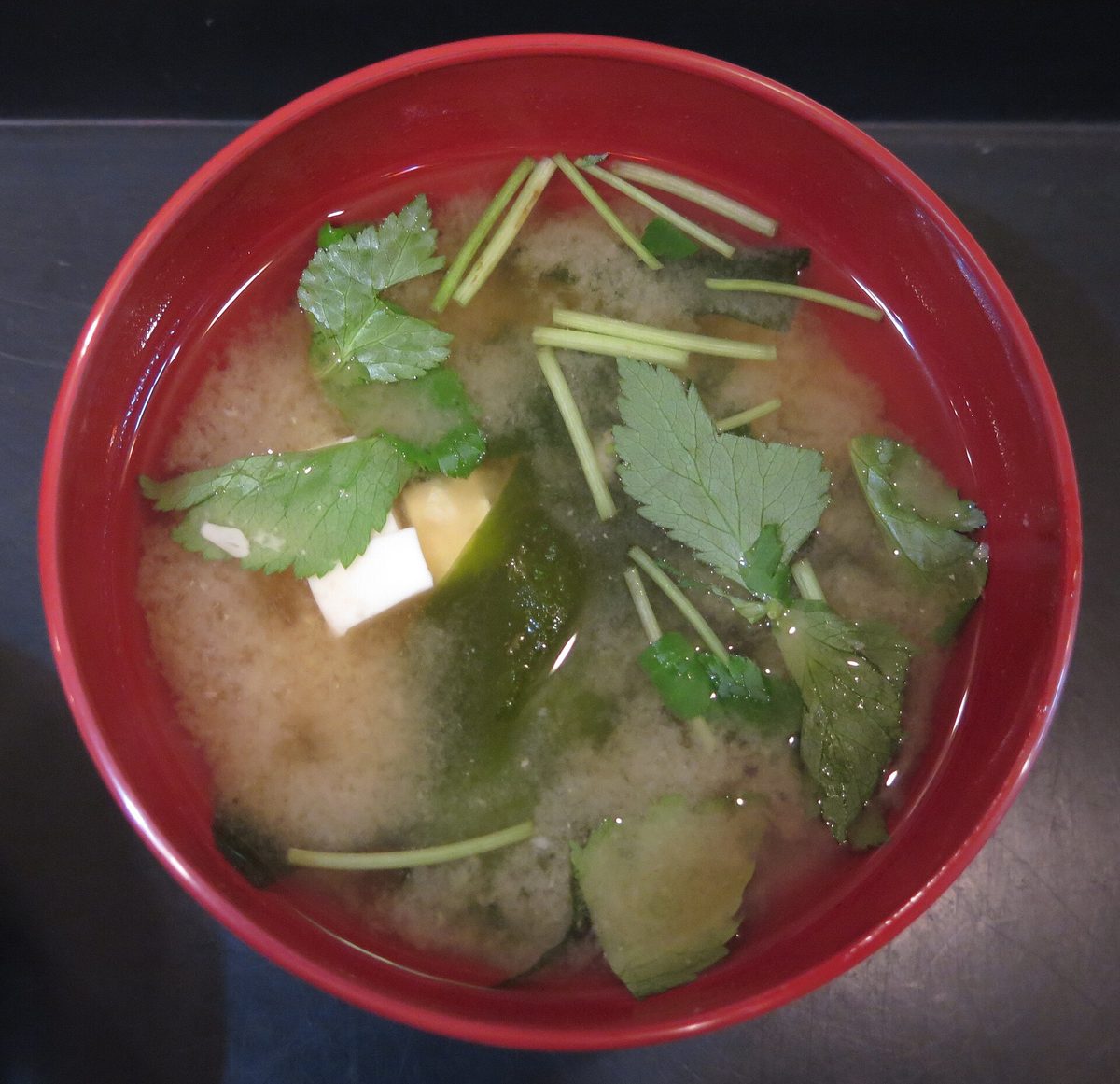
A small bowl of miso soup comes with almost every Japanese set meal, but it doesn't taste the same everywhere. The miso can be pale and sweet, dark and rich, or somewhere in between, depending on what it is made from and where you are. Some regions turn the soup into a meal of its own, with pork, crab or mashed natto. This guide explains the main kinds of miso, how they change from region to region, a few local soups worth trying, how to eat from the bowl, and what to check if you have allergies, eat vegetarian, or want to take miso home.
This page may contain affiliate links. If you buy through them, we may earn a commission at no extra cost to you.
- Rice, barley and bean miso; white, light and red miso
- Regional styles, from bean miso in Nagoya (Aichi) to white miso in Kyoto (Kyoto)
- Tonjiru (pork), crab and natto soups
- Holding the bowl, dashi made from fish, and miso as a "liquid" at the airport
Three ways to sort miso
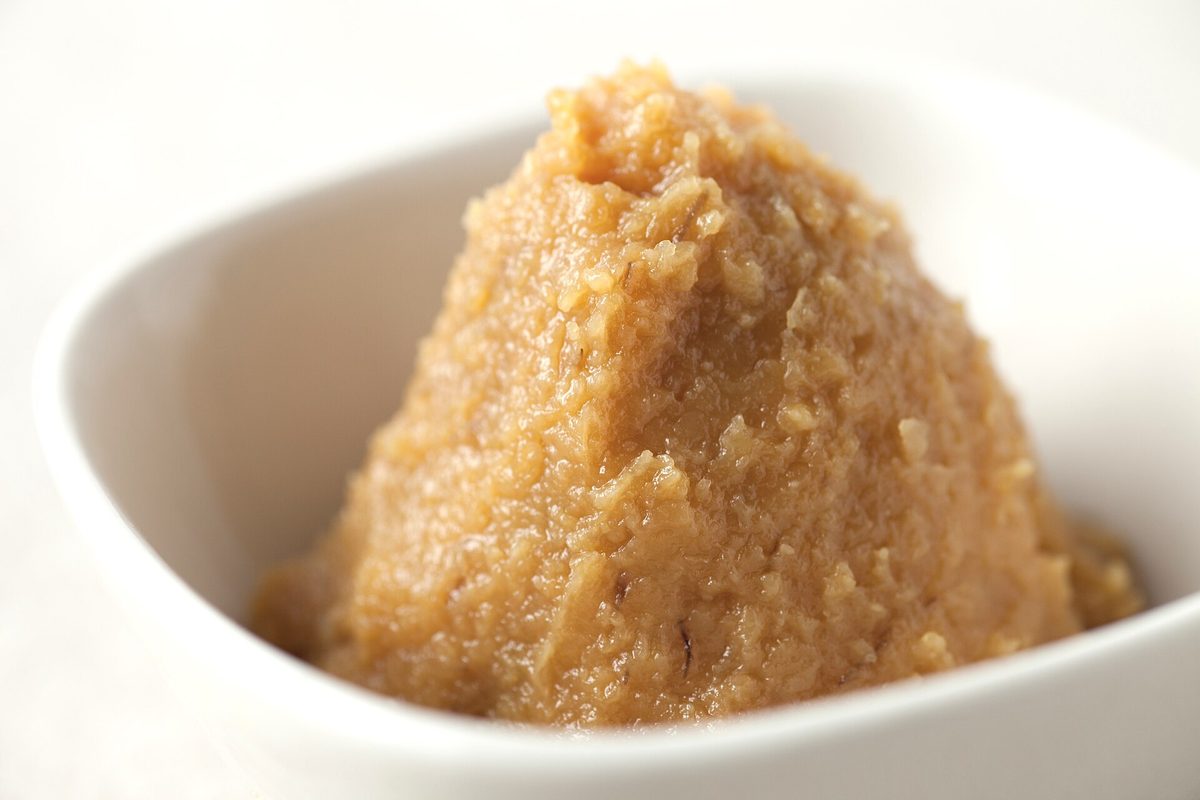
Miso is made by fermenting soybeans with salt and koji (a grain or bean grown with koji mold). Regional miso makers' associations, such as the Hokkaido miso and soy sauce cooperative, sort it in three ways:
- By the koji: rice miso (kome miso, soybeans with rice koji), barley miso (mugi miso, soybeans with barley koji), bean miso (mame miso, made with soybeans only), and blended miso, a mix of these. JETRO, Japan's trade agency, says about 80% of the miso made in Japan is rice miso. Labels and recipes often call a blend awase miso (mixed miso), as a Nagoya (Aichi) miso maker explains.
- By taste: sweet or salty. The cooperative explains that saltiness depends on the amount of salt and on the share of koji: with the same salt, more koji makes a sweeter miso.
- By color: white (shiro), light (tanshoku) and red (aka). Color depends on the ingredients, whether the soybeans are steamed or boiled, the amount of koji and how the miso ages.
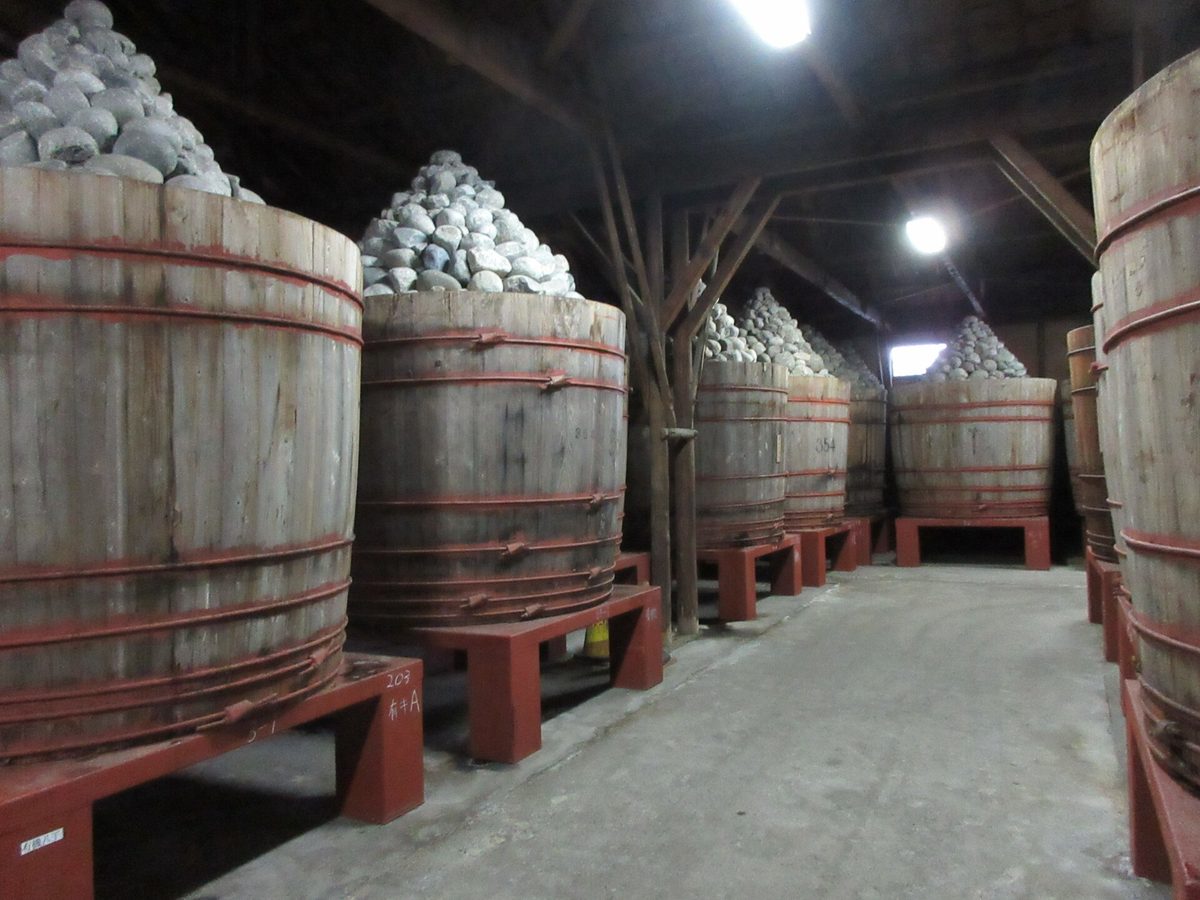
How miso changes by region
The Miyagi miso and soy sauce cooperative, summarizing a guide by the Miso Health Committee of Japan's national miso federation, describes the regional pattern below. It's a broad picture: every area also sells miso from elsewhere, and families have their own favorites.
- Bean miso in the Tokai area: Aichi, Mie and Gifu make bean miso from soybeans and salt. Aichi's miso cooperative notes it is also called akadashi miso and is used in dishes such as miso-katsu and miso-nikomi udon. The official Nagoya-meshi site says bean miso is only about 5% of the miso eaten in Japan, so this is a taste to try where you are. The best-known kind, Hatcho miso, comes from Okazaki (Aichi); Aichi Prefecture's tourism site says it is aged for at least two summers and two winters and has a rich, slightly bitter taste. Visiting? See Nagoya (Aichi) and Ise (Mie).
- White miso in Kyoto (Kyoto): the Miso Health Committee calls Kyoto (Kyoto) the birthplace of white miso, a sweet miso with a high share of rice koji. The Ministry of Agriculture (MAFF) says it ferments for only about a week to ten days, with less salt, and that the New Year zoni soup of Kyoto (Kyoto) is made with it. See Kyoto (Kyoto).
- Shinshu miso in Nagano: Nagano's miso federation describes Shinshu miso as a light-colored, salty rice miso, and says it makes up about half of the miso produced and eaten in Japan. See Matsumoto (Nagano).
- Barley miso in Kyushu and western Japan: Kyushu is the main barley miso area, with rice miso and rice-and-barley blends too; both tend to be sweet and light. Parts of Chugoku and Shikoku also make barley miso, and Hiroshima Prefecture makes both rice and barley miso. See Fukuoka (Fukuoka) and Hiroshima & Miyajima (Hiroshima).
- Red, salty rice miso in the north: Tohoku makes mostly red, salty rice miso, and Hokkaido mostly salty rice miso with a mild taste. See Hokkaido.
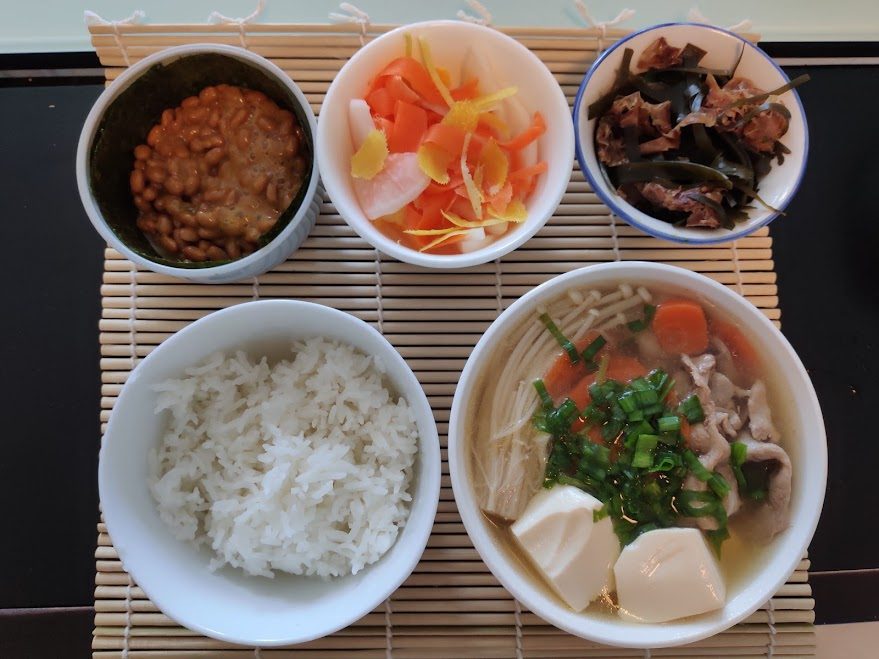
Hearty bowls: tonjiru and other local soups
MAFF's database of regional dishes, Our Regional Cuisines, lists many soups that are a meal in a bowl. These are some you can look for:
- Tonjiru (pork miso soup): pork with daikon, carrot, taro, konnyaku and fried tofu in miso soup. MAFF's page for Kagoshima Prefecture gives both readings, butajiru and tonjiru, and notes that Kagoshima's barley miso is sweet, with lots of koji and less salt. In Kyoto (Kyoto), the Miso Health Committee suggests a winter version made with white miso and sake lees.
- Natto-jiru (natto soup): a winter soup from Tohoku. In Yamagata Prefecture, MAFF says natto is ground in a mortar until the beans disappear, which thickens the soup and keeps it hot; tofu, mushrooms and wild vegetables go in too. In inland southern Akita Prefecture, it is eaten at New Year in place of zoni.
- Crab miso soups: in eastern Hokkaido, crab miso soup is called teppo-jiru, said to be named after the way you poke crab legs with chopsticks, like loading an old gun. Tottori Prefecture makes oyagani miso soup with female snow crab and daikon.
- Other seafood soups: Akita's tara-jiru (whole cod with leeks in miso), Mie's spiny lobster soup, ise-ebi-jiru, made with red miso, and Shimane's shijimi-jiru with small clams from Lake Shinji.
- Kenchin-jiru: often mentioned alongside these, but usually a clear soup seasoned with soy sauce, as a school nutritionists' association describes it. MAFF traces one origin story to Kenchoji temple in Kamakura (Kanagawa), where the soup is made without animal products and its broth comes from kelp and shiitake. More about the temple: zazen in Japan.
How to eat miso soup
A MAFF booklet on Japanese food culture explains that Japan eats with chopsticks and no spoon, so people hold the soup bowl and drink straight from it; wooden bowls are used because they don't pass much heat to your hand. JNTO also says to bring the dish to your mouth rather than leaning down to the table, and notes that the soup usually sits at the front right of a set meal.
- Hold the bowl in one hand, sip the soup, and eat the tofu, seaweed or pork with your chopsticks.
- If the bowl has a lid, a Japanese food-education foundation suggests letting the drops fall into the bowl, setting the lid upside down beside the bowl, and putting it back on straight, the way it came, when you finish (setting it on at an angle can scratch the bowl).
- Sound: a little sipping sound is common, and drinking quietly is just as fine. Do whatever feels natural to you.
- Large bowls of tonjiru are eaten the same way; if a spoon comes with it, feel free to use it.
Allergies, dashi and vegetarian diets
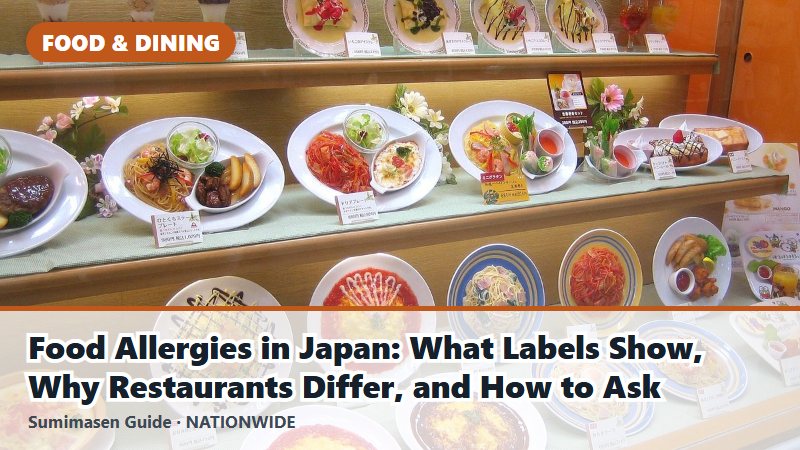
All miso is made from soybeans, and barley miso also contains barley. On packaged food in Japan, soybean is only a "recommended" allergen label, not a required one, and barley is on neither list; wheat must be labeled. Restaurant food doesn't have to be labeled at all, so ask. Details and a free communication sheet: food allergies in Japan.
Miso soup is usually made with dashi, a stock that JNTO says is made from bonito, kelp or boiled dried fish. Recipes from MAFF and the Miso Health Committee show the range: dried sardines (niboshi or iriko) for Akita's natto soup and Kagoshima's tonjiru, and kelp for the white-miso zoni of Kyoto (Kyoto). So a standard miso soup is not vegetarian. Kelp or shiitake dashi and temple cooking (shojin ryori), like Kenchoji's kenchin-jiru, are the usual meat- and fish-free choices, but ask each time. On instant miso soup, look for かつお (bonito), 煮干し (dried sardines) or 魚介 (seafood) in the ingredients.
| English | Japanese | Reading |
|---|---|---|
| Is the dashi made with fish? | だしに魚は使っていますか? | Dashi ni sakana wa tsukatte imasu ka? |
| I'm allergic to soybeans. | 大豆アレルギーがあります。 | Daizu arerugii ga arimasu. |
| Is there pork in this? | 豚肉は入っていますか? | Butaniku wa haitte imasu ka? |
Taking miso home
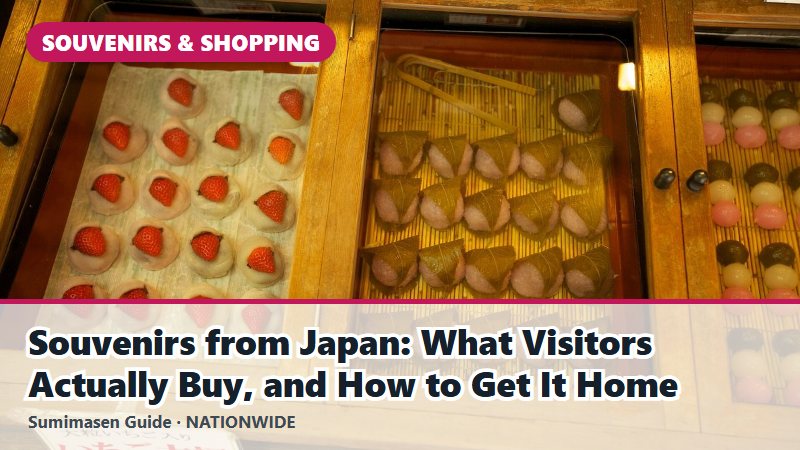
- Miso counts as a liquid at the airport. Narita Airport lists miso among the items covered by the carry-on liquid limit on international flights: containers of 100 ml (g) or less, in one clear bag of 1 liter or less. Put larger tubs in checked baggage. Paste-type instant miso soup is miso too; for freeze-dried or powdered types, the simplest choice is also checked baggage.
- Check the ingredients for meat. Some instant soups, such as tonjiru packs, contain pork. Japan's Animal Quarantine Service says your destination's rules decide what you can bring in, and that some countries have stopped accepting meat products from Japan.
More on packing food and other souvenirs: souvenirs from Japan.
My visit
Coming soon: notes from our editor's own miso soup finds in Japan.
Last reviewed: October 4, 2026. Every region, shop and family makes miso soup its own way.
References
- JETRO: Miso and soy sauce (Japanese)
- Hokkaido Miso and Soy Sauce Cooperative: Kinds of miso (Japanese)
- Miyagi Miso and Soy Sauce Cooperative: Miso basics and regional miso (Japanese)
- Ichibiki: Kinds of miso (Japanese)
- Aichi Miso, Tamari and Soy Sauce Cooperative: Bean miso (Japanese)
- Nagoya-meshi official site: Fermentation and bean miso (Japanese)
- Aichi Now (Aichi Prefecture): Hatcho miso in Okazaki (Aichi) (Japanese)
- Miso Health Committee: White miso soup and zoni, Kyoto (Kyoto) (Japanese)
- MAFF Our Regional Cuisines: White miso zoni, Kyoto Prefecture (Japanese)
- Nagano Miso Federation: About Shinshu miso (Japanese)
- MAFF Our Regional Cuisines: Butajiru (tonjiru), Kagoshima Prefecture (Japanese)
- MAFF Our Regional Cuisines: Natto jiru, Yamagata Prefecture
- MAFF Our Regional Cuisines: Natto-jiru, Akita Prefecture (Japanese)
- MAFF Our Regional Cuisines: Teppo-jiru, Hokkaido (Japanese)
- MAFF Our Regional Cuisines: Oyagani miso soup, Tottori Prefecture (Japanese)
- MAFF Our Regional Cuisines: Tara-jiru, Akita Prefecture (Japanese)
- Miso Health Committee: Spiny lobster miso soup, Mie Prefecture (Japanese)
- Miso Health Committee: Shijimi clam soup, Shimane Prefecture (Japanese)
- National School Nutritionists Council: Kenchin-jiru, Kanagawa Prefecture (Japanese)
- MAFF Our Regional Cuisines: Kenchin jiru, Kanagawa Prefecture
- MAFF: Washoku with children, booklet (Japanese, PDF)
- JNTO: Japanese food etiquette guide
- Educe Food Education Institute: Japanese table manners (Japanese)
- Narita Airport: Restrictions on carry-on liquids on international flights
- Animal Quarantine Service: Taking meat products abroad (Japanese)