Souvenirs from Japan: What Visitors Actually Buy, and How to Get It Home
What should you bring home from Japan? Instead of another list of "must-buys," this guide starts from data: the Japan Tourism Agency asks visitors every year what they bought and how much they spent. Sweets come out clearly on top. Then we cover the practical part that lists often skip: tax-free rules for snacks and cosmetics, what you can carry on the plane, and what your home country may stop at the border. Finally, a look at local-limited goods, from regional Hello Kitty to Pokémon manhole covers you can only see in person.
This page may contain affiliate links. If you buy through them, we may earn a commission at no extra cost to you.
- The most-bought souvenir categories in 2025, from official statistics
- Tax-free shopping and consumables from November 1, 2026
- Liquids, knives, meat and fruit: what to check before you pack
- Local-only goods: Gotochi Kitty and Poké Lids
What visitors actually buy
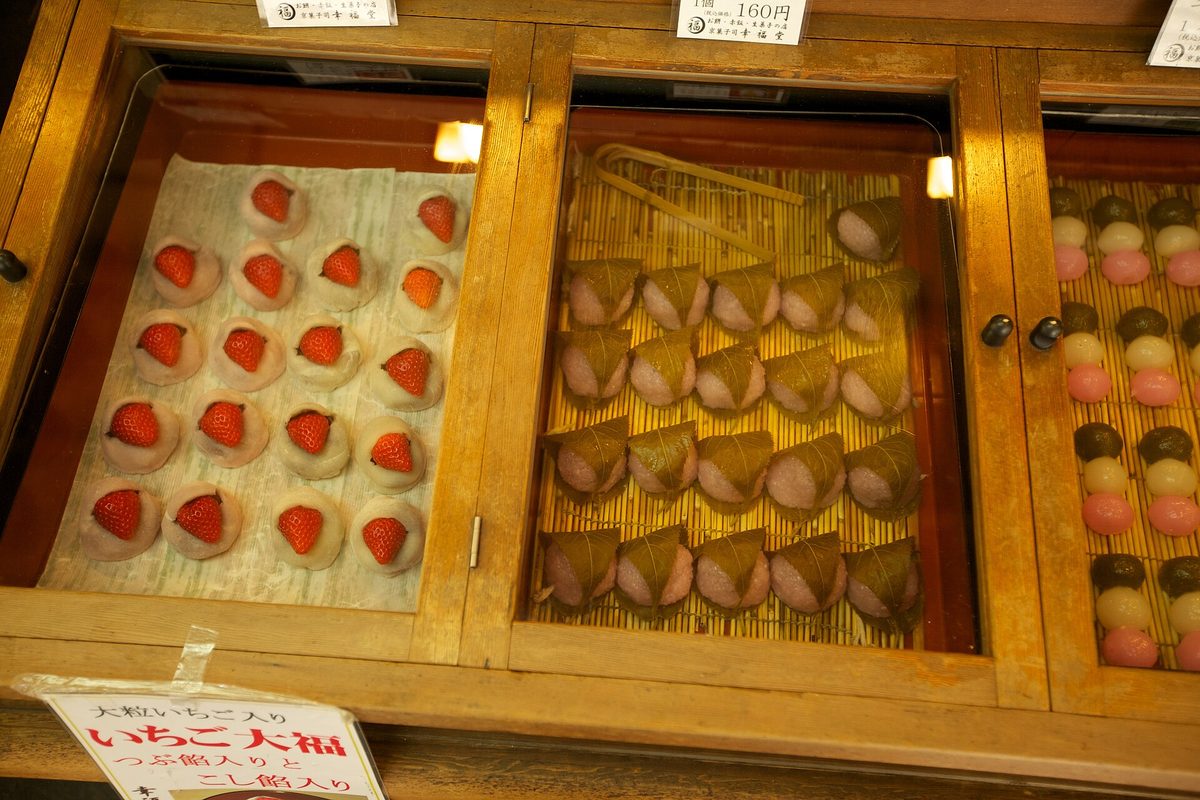
According to the Japan Tourism Agency's 2025 survey, the items bought by the most visitors were sweets (72.7%), clothing (47.9%) and other food, drinks and tobacco (41.7%). The highest spending per buyer was on jewelry and precious metals (about 88,000 yen), bought by only 2.0% of visitors. Visitors shopped most at convenience stores (85.3%), department stores (59.4%), drugstores (59.2%) and airport duty-free shops (55.3%).
We don't rank individual products, because there is no official ranking. Classic examples you will see everywhere include regional sweets, green tea, cosmetics and handcrafts. Our destination pages list local foods for each area, such as Nagoya (Aichi), Ise (Mie) and Matsumoto (Nagano).
Tax-free shopping: snacks and cosmetics
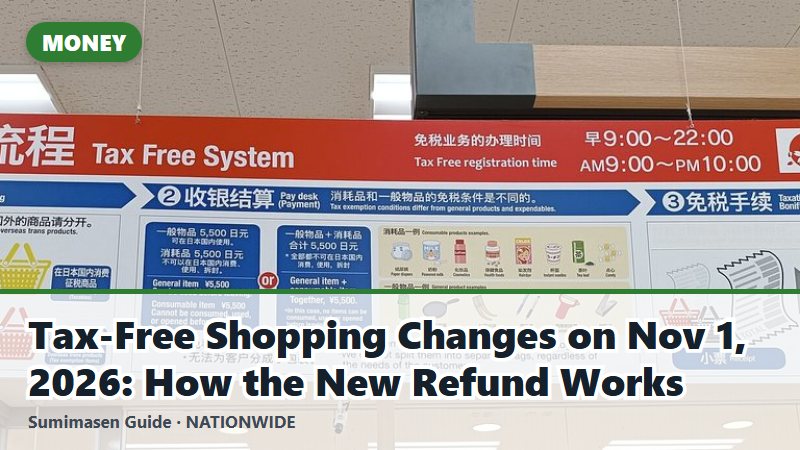
From November 1, 2026, tax-free shopping becomes a refund after customs checks your goods at departure. The National Tax Agency says the 500,000 yen per-store daily limit and the special sealed packaging for consumables (food, drinks, cosmetics) are abolished. But the Japan Tourism Agency warns that if you eat or use tax-free consumables in Japan, you can't get the refund, and if even one item from a receipt is missing, none of that receipt can be confirmed. Keep "use in Japan" items on a separate receipt. Full details: how the new tax-free refund works.
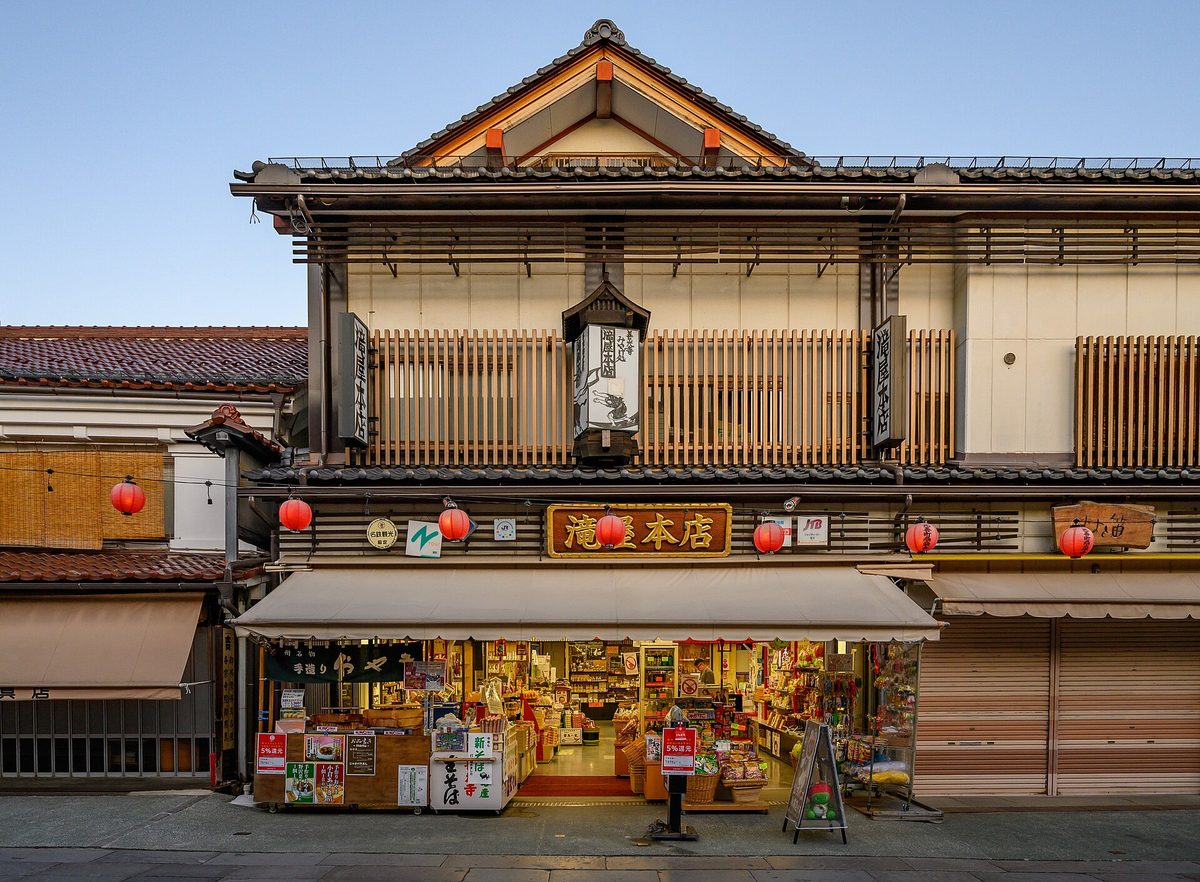
Taking souvenirs home
- Liquids: for international flights, Japan's transport ministry says all liquids in carry-on must be in containers of 100 ml or less, in one clear zip bag of 1 liter or less per passenger. This doesn't apply to checked baggage. Alcohol over 70% or a total over 5 liters can't be carried on or checked in. Duty-free alcohol bought after security can be carried on, but may be confiscated if you transfer to another international flight.
- Knives: Narita Airport's FAQ answers the common question directly: Japanese kitchen knives can't be carried into the cabin; put them in checked baggage at the check-in counter.
- Meat and fruit: Japan's Animal Quarantine Service says your destination's rules decide, and asks travelers to check with the embassy or quarantine authority of the destination country first. It notes that some countries have stopped accepting meat products from Japan. For example, the United States requires travelers to declare meats and fruits, and Australia does not allow uncanned meat without a permit.
- Medicines: buying a lot of medicine to take home? Check your home country's personal-use limits.
Local-only goods
Gotochi Kitty. Sanrio's official news describes "Gotochi Kitty," a regional series that began in 1998, in which Hello Kitty is combined with the local specialties, culture, scenery and history of places around Japan. It is made by a licensed company, Asunaro-sha, and sold in local souvenir shops; for example, Sanrio's news on a series for Fukuoka (Fukuoka) lists souvenir shops at a station mall in Hakata (Fukuoka), sightseeing spots and stations in Fukuoka City (Fukuoka), and Fukuoka Airport. Part of the fun is finding the version only sold where you are.
Poké Lids (Pokéfuta). These are manhole covers decorated with Pokémon, installed in towns across Japan. The Pokémon Company publishes the locations on its official Poké Lids site, by prefecture. Of our destinations, the official pages and announcements show Poké Lids in these prefectures: Kyoto Prefecture, Osaka Prefecture, Nara Prefecture, Aichi, Mie (in all 29 cities and towns, according to the prefecture), Shizuoka, Fukuoka Prefecture, Okinawa, Hokkaido, the Tokyo Metropolitan area and Kanagawa. We could not confirm any in Yamanashi, Nagano or Hiroshima Prefecture. You can only see them on the spot, so they make a fun excuse to explore a town.
Anime locations. Visiting places from anime and films is popular, but many are ordinary neighborhoods. Owase City (Mie) asks visitors not to enter private land, to take trash home, to avoid visiting at night and to ask permission before photographing residents or shops. The film Your Name.'s production committee has also asked fans to respect the privacy and property of people who live in the places shown. See "Please don't": what made the news.
Watch out for fakes. Character goods are copied. Buy from official shops, well-known stores or the official shops of a brand on large marketplaces. For Pokémon and Sanrio shops, see Pokémon Center locations and where to buy Sanrio goods.
Last reviewed: October 4, 2026. Airline and border rules change; always check before you fly.
References
- Japan Tourism Agency: Inbound Consumption Trend Survey, 2025 annual report (Japanese, PDF)
- Japan Tourism Agency: Tax-free shopping for travelers (Japanese)
- National Tax Agency: Q&A on the refund method (Japanese, PDF)
- Ministry of Land, Infrastructure, Transport and Tourism: Liquids on international flights (Japanese, PDF)
- Ministry of Land, Infrastructure, Transport and Tourism: FAQ on carry-on items (Japanese, PDF)
- Narita Airport: FAQ on prohibited items (Japanese)
- Animal Quarantine Service: Taking meat products abroad (Japanese)
- U.S. Customs and Border Protection: Bringing agricultural products into the United States
- Australian Government: Bringing goods into Australia
- Sanrio: Gotochi Kitty news (Japanese)
- The Pokémon Company: Poké Lids official site (Japanese)
- Owase City (Mie): Requests to visitors of filming and anime locations (Japanese)
- Your Name. production committee: Request to fans