Japan's Surprising Vending Machines: Oden Cans, Sweets, Frozen Food and What to Know Before You Buy
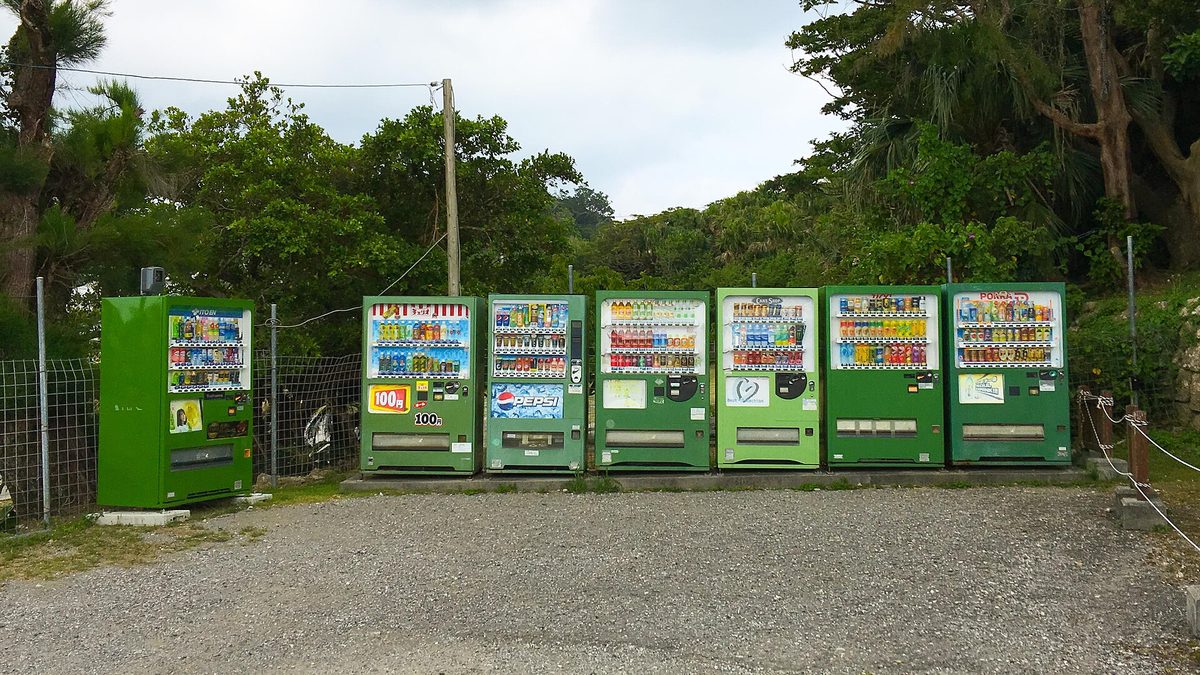
Japan's vending machines are one of the small joys of a trip. You'll find them on busy streets, on station platforms and next to rice fields, and some sell far more than drinks: hot oden in a can, cake in a jar, bottles of soup stock, frozen ramen and gyoza, even fresh eggs. But not everything that comes out of a machine is ready to eat. Frozen food needs thawing or cooking, and some items need a microwave or a stove that your hotel room may not have. This guide explains how the machines work, what unusual ones you can find, how to read the Japanese on the package, and a few simple manners.
This page may contain affiliate links. If you buy through them, we may earn a commission at no extra cost to you.
- How many machines there are, and hot (red) vs. cold (blue) drinks
- Oden cans, dashi, cake, frozen meals, game meat and eggs
- Ready to eat, thaw first, or cook it? How to tell before you pay
- Japanese words on the package, and why cans never go in the microwave
Japan's vending machines in numbers
According to the Japan Vending System Manufacturers Association, there were 3,881,700 vending machines and automatic service machines (such as coin lockers, change machines and parking pay stations) in Japan at the end of 2025. Of these, 2,585,200 were vending machines that sell things, and 2,178,800 of those sold drinks. Machines that sell food, such as instant noodles, frozen food, ice cream and snacks, numbered 81,100. The total has been slowly falling for years as convenience stores spread, but you'll still rarely walk far without seeing one.
Hot or cold: reading the labels
Many drink machines sell both hot and cold drinks side by side. Look at the small label under each sample:
- Red label: hot. It usually reads atatakai or attaka~i (あたたかい / あったか~い, "warm").
- Blue label: cold. It usually reads tsumetai or tsumeta~i (つめたい / つめた~い, "cold").
The association says cold cans are usually kept at about 5°C and hot ones at about 55°C, so a hot can or bottle can feel very hot in your hand at first. Red for hot and blue for cold comes from an industry guideline, as the association told Radio Kansai, but it isn't compulsory, so some machines use other colors or the English words HOT and COLD.
Paying: coins, notes and IC cards
- Cash: most drink machines take coins, and many also take 1,000 yen notes. Check the slot before you put money in; some small machines, like many egg machines, take only 100 yen coins.
- IC cards: at JR East stations, the acure machines (about 8,000 of them) accept Suica and the other transit IC cards, and many also take other e-money and QR code payments. Touch your card on the reader after choosing your drink.
- Cashless only: since October 20, 2022, the acure machines at Tamachi and Yoyogi stations in Tokyo (Tokyo) take no cash at all, according to JR East Cross Station, which runs them. A sticker on the machine tells you.
Oden in a can
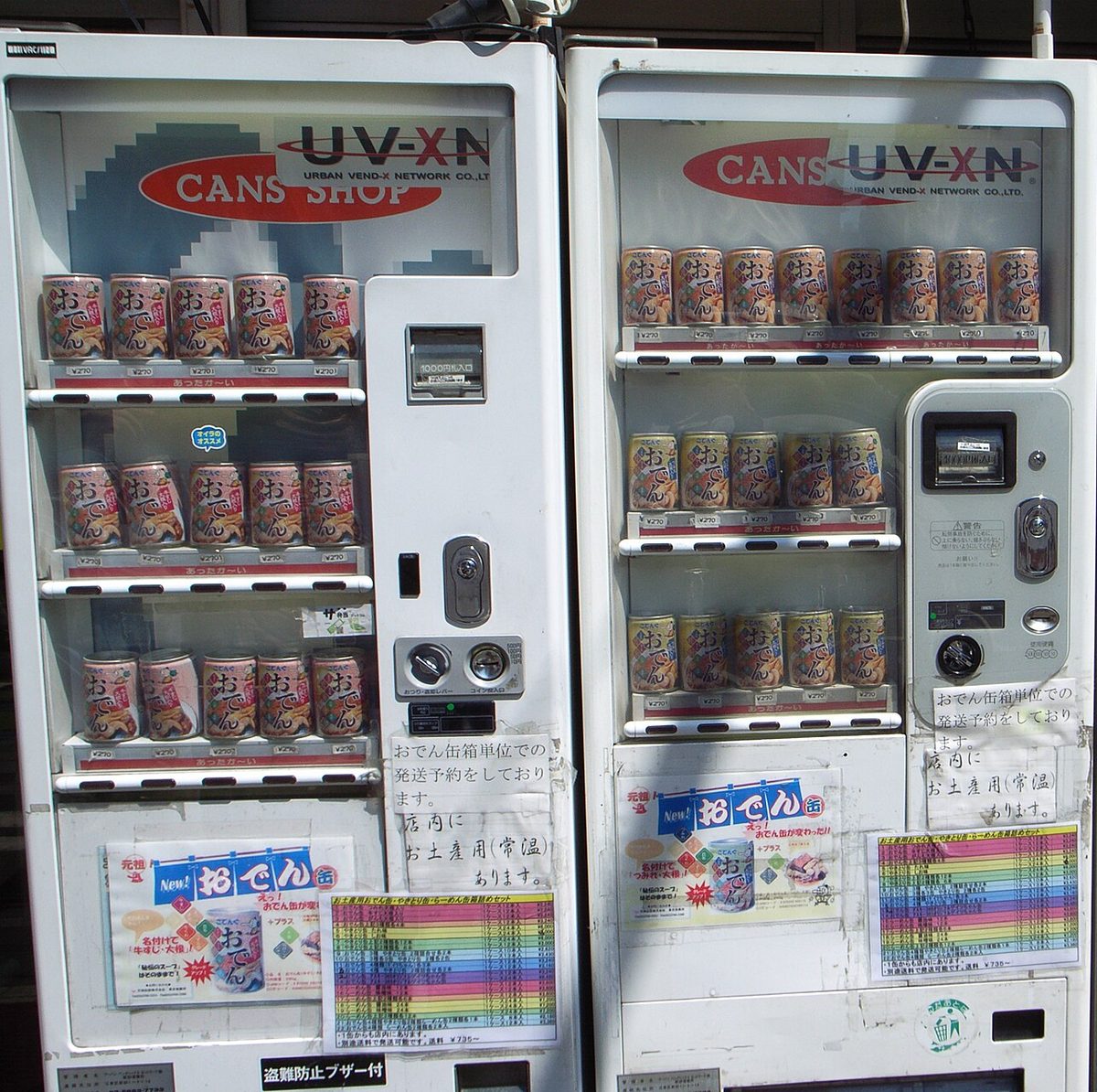
Oden is a winter dish of fish cakes, daikon radish, konnyaku and eggs simmered in a light broth. Tengu Kanzume, a canned-food maker based in Nagoya (Aichi), first made its oden can in 1985. According to Toyokawa (Aichi), the city where it's made, the cans were sold in vending machines in Akihabara (Tokyo) from the early 1990s and became a hit after appearing in a TV drama in 2005.
- What's inside: Tengu's current cans hold 280 g, such as "beef tendon and daikon" or "ganmo (fried tofu) and daikon," with quail eggs. Its product list shows the allergens: egg, wheat, beef and soy (the ganmo version also has sesame and yam).
- How to eat it: the company's official online shop describes the cans as ready to eat as they are. From a hot machine they come out warm; open the ring pull carefully, since the broth is hot.
- Don't heat the can itself. The can's label warns against putting the can directly on a flame, and says to open the lid before warming it in hot water. It also says not to use a microwave, because the quail eggs can burst. Japan's product safety agency NITE reports a case where boiled eggs in oden burst in a microwave and broke the glass tray.
Which machines carry oden cans changes over time, so think of one as a lucky find rather than something to plan your day around.
Dashi and seasonings
Dashi is the soup stock behind much of Japanese cooking. Dashi Douraku, made by Nitanda Shoyu, a small soy sauce maker from Etajima (Hiroshima), has sold its dashi from its own vending machines since 2007. Each plastic bottle has the ingredients, such as dried kelp and grilled flying fish, inside. The company lists machines in Hokkaido, Tokyo (Tokyo), Nagoya (Aichi), Kyoto (Kyoto), Osaka (Osaka) and Fukuoka (Fukuoka), many of them in parking lots; for example, it announced one near Suidobashi Station in Tokyo (Tokyo) in June 2024 (listed on its site when we checked in October 2026).
Remember that dashi is a seasoning for cooking udon, hot pot and simmered dishes, not a drink. It makes a good souvenir if you have a kitchen at home; check your own country's rules on bringing liquids and food back.
Cake and sweets
- Cake in a can: GAKU, a company from Sapporo (Hokkaido), began selling its "shortcake can" (layers of sponge, cream and strawberries in a clear can) from vending machines in June 2021, according to the Japan Chamber of Commerce and Industry. Because it uses fresh cream, it must be eaten on the day you buy it.
- Frozen cakes: Fujiya, a long-established sweets maker, began putting frozen-cake vending machines outside some of its shops on June 30, 2023. Its instructions: leave the cake at room temperature for about 5 minutes to half-thaw it, eat it before the cream melts, and don't refreeze it.
Before you buy a sweet, check whether it is frozen (it needs thawing) or chilled (eat it soon), and whether you have a fridge to keep it in.
Frozen food: ramen, gyoza and gibier
Frozen-food vending machines spread fast after 2021. The best known is the "Dohiemon," made by Sanden Retail Systems (now SDRS), which went on sale at the end of January 2021 and keeps food at −25°C to −18°C. According to the Shokuhin Sangyo Shimbun, the first one went into service in February 2021 at a gyoza shop in Tokyo (Tokyo), and the Nikkei reported nearly 10,000 machines across Japan in October 2024. Restaurants use them to sell their ramen, gyoza and other dishes, frozen, around the clock.
- Gibier (wild game): Yukiguni Gibier, a game-meat company from Niigata Prefecture, put its first frozen vending machine at the Ario Kameari shopping mall in Katsushika Ward, Tokyo (Tokyo) in January 2024, selling about 10 kinds of boar, deer and bear meat (page checked October 2026). Japan's Ministry of Health, Labour and Welfare warns that raw or undercooked deer and boar meat can cause hepatitis E and food poisoning, and its guidelines say to cook it until the center reaches 75°C for 1 minute or more.
- Frozen ramen and gyoza are uncooked or only partly cooked meals. The package tells you how: in a pot of boiling water, in a frying pan, or in a microwave.
Japan's food labeling rules require frozen foods to show whether they need heating before eating. The Japan Frozen Food Association says that only products labeled as safe to thaw naturally or in water can be eaten that way; everything else should be cooked as the package says.
Eggs and local produce
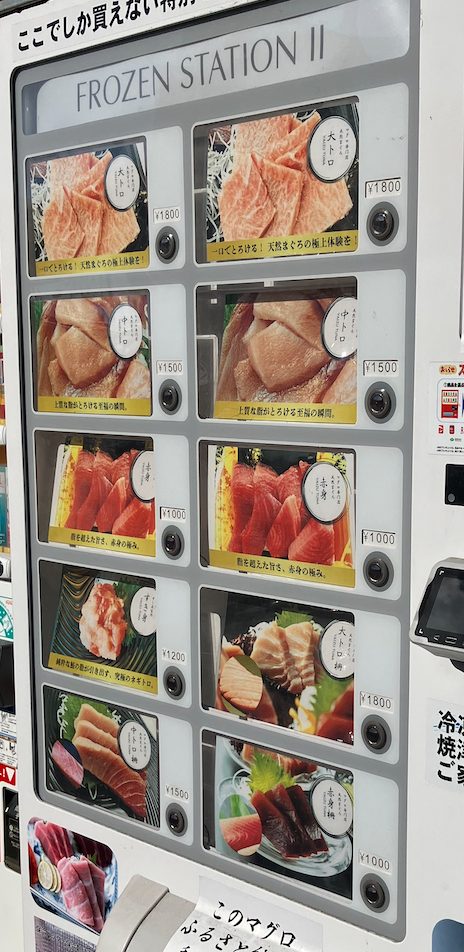
In the countryside and suburbs, farms sell their own produce from machines. Omiya Farm in Kashihara (Nara), for example, sells fresh eggs from vending machines around the city 24 hours a day. It restocks every morning from Monday to Saturday, not on Sunday, and most of its machines take only 100 yen coins (checked October 2026). Port towns have machines for local seafood, like the frozen tuna machine in Yaizu (Shizuoka) in the photo above.
These are the real thing, sold to local people for their own kitchens: eggs are raw and need cooking and a fridge, and fish and meat need the same care. If you're staying in a hotel, they're more fun to look at than to buy.
Ready to eat, thaw first, or cook it?
Japanese on the package: a quick guide
Packages are mostly in Japanese. Your phone's camera translation works well, but these short phrases are worth knowing. The exact wording differs from maker to maker.
Heating safely: cans, microwaves and hotel rooms
- Never put a can or foil in a microwave. NITE warns that metal such as aluminum foil and steel containers makes sparks in a microwave and can start a fire, and that heating a can on a stovetop by mistake can make it burst. Pour the food into a microwave-safe bowl first.
- No eggs in the microwave. Eggs, including boiled eggs in oden, can burst, as the National Consumer Affairs Center of Japan showed in a test in March 2026.
- Check your room first. Many hotel rooms have no microwave or stove. Some hotels have a shared microwave, so ask at the front desk before you buy frozen food. A kettle won't cook frozen gyoza or raw meat.
- Follow the package. If you can't read it, scan it with a translation app; if you still aren't sure, don't buy food that needs cooking.
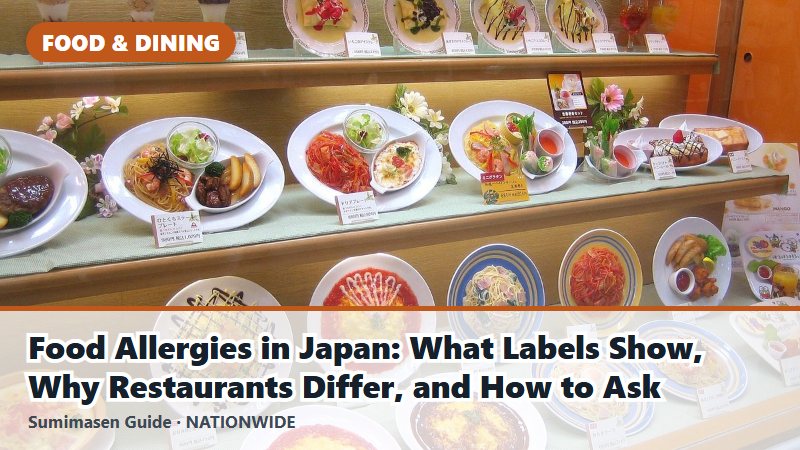
Have a food allergy? Ingredients and allergens are listed in Japanese too; see our guide to food allergies in Japan.
Manners: recycling boxes, change and noise
- The box next to the machine is for empty drink bottles and cans only. The Japan Soft Drink Association asks people not to put in cigarettes, food containers, plastic coffee cups, batteries, or bottles with drink still in them. According to the association, ordinary trash makes up about 30 to 50 percent of what's found in these boxes, which gets in the way of recycling. Food packaging, oden cans and cake containers aren't drink containers: take them with you and throw them away at your hotel.
- Take your change. Change drops into a cup at the bottom. If it doesn't come out, press the return lever, often labeled おつり (otsuri, change) or 返却 (henkyaku, return).
- Keep it quiet at night. Many machines stand in front of homes. Late at night, keep your voice down, don't gather in groups, and don't leave cans on the ground.
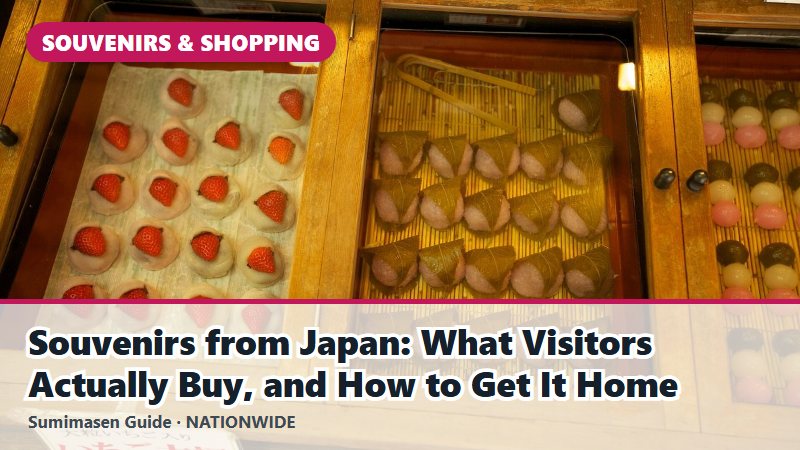
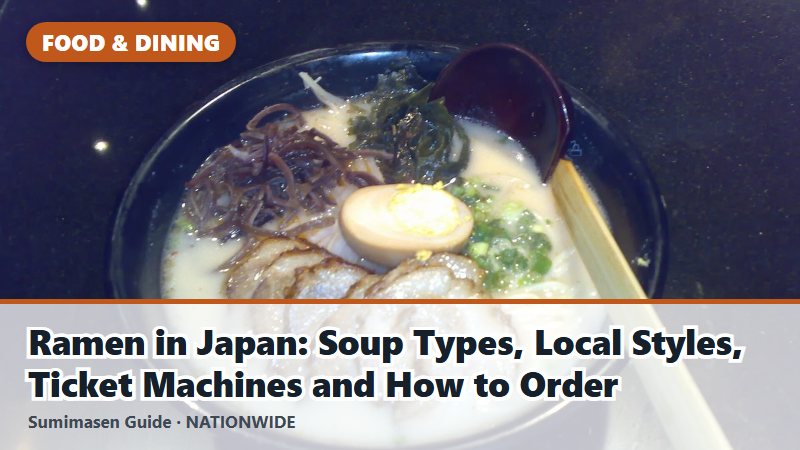
Looking for something to take home? See our guide to souvenirs from Japan, and for a hot meal near your hotel, our ramen guide.
Last reviewed: October 4, 2026. Machines, products and prices change. Please confirm on the official pages below.
References
- Japan Vending System Manufacturers Association: Vending machines in use, end of 2025 (Japanese, PDF)
- Japan Vending System Manufacturers Association: FAQ, drink temperatures (Japanese)
- Radio Kansai: Hot and cold labels on vending machines (Japanese, October 21, 2020)
- acure: Vending machines and payment methods (Japanese)
- JR East Cross Station: Cashless-only machines at Tamachi and Yoyogi stations (Japanese, 2022)
- Tengu Kanzume: Oden can products (Japanese)
- Tengu Kanzume official online shop: Ready-to-eat oden cans (Japanese)
- Retailer listing showing the oden can's heating cautions (Japanese)
- Toyokawa City (Aichi): Tengu Kanzume and its oden can (Japanese)
- Dashi Douraku: About the company and its vending machines (Japanese)
- Dashi Douraku: New machines in Tokyo (Tokyo), Hyogo Prefecture and Osaka (Osaka) (Japanese, June 2024)
- Japan Chamber of Commerce and Industry: GAKU's shortcake can (Japanese, May 2022)
- Fujiya: Frozen sweets vending machines (Japanese, PDF, June 22, 2023)
- Sanden Retail Systems: Launch of the Dohiemon frozen vending machine (Japanese, PDF, December 16, 2020)
- Shokuhin Sangyo Shimbun: Dohiemon passes 4,000 units (Japanese, September 2022)
- Nikkei: Frozen-food vending machines (Japanese, October 2024)
- Yukiguni Gibier: Frozen game-meat vending machine at Ario Kameari (Japanese)
- Ministry of Health, Labour and Welfare: Hygiene of wild game meat (Japanese)
- Ministry of Health, Labour and Welfare: Wild game meat guidelines (Japanese, PDF)
- Japan Frozen Food Association: FAQ (Japanese)
- Consumer Affairs Agency: Labeling items important to food safety, including frozen foods (Japanese, PDF)
- Omiya Farm: Egg vending machines (Japanese)
- NITE: Accidents with cooking appliances, including oden eggs in a microwave (Japanese)
- NITE: Microwave and induction stove accidents (Japanese)
- National Consumer Affairs Center of Japan: Preventing microwave accidents (Japanese, March 25, 2026)
- Japan Soft Drink Association: What is the box next to the vending machine for? (Japanese)
- Japan Soft Drink Association: Recycling boxes (Japanese)