Ramen in Japan: Soup Types, Local Styles, Ticket Machines and How to Order
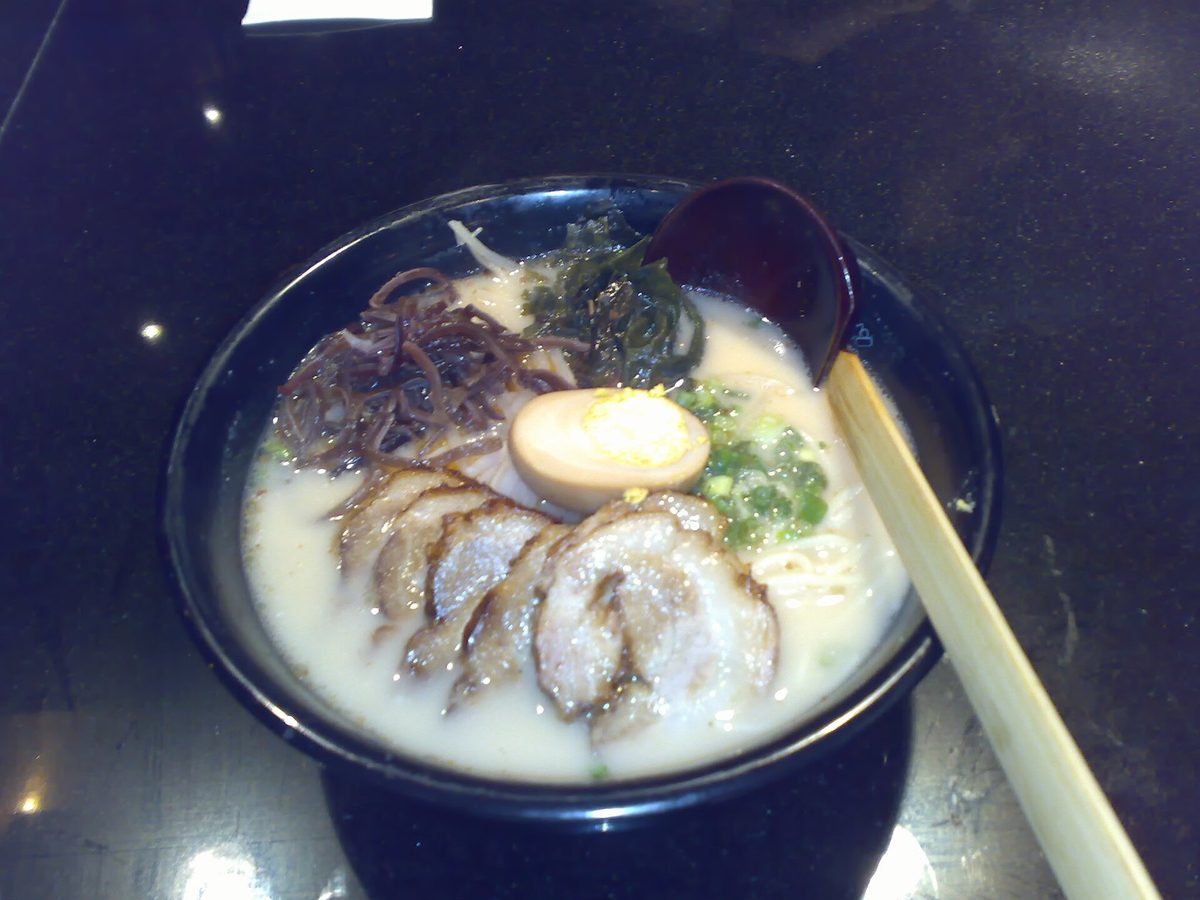
A bowl of ramen is one of the simplest pleasures of a trip to Japan, and one of the cheapest. Every region has its own style, and many shops work a little differently from restaurants at home: you often buy a ticket from a machine first, choose how firm you want your noodles, and sit at a counter. This guide explains the main soup types, a few famous local styles from official tourism sites, and how ordering works, so you can walk into any ramen shop with confidence.
This page may contain affiliate links. If you buy through them, we may earn a commission at no extra cost to you.
- Shoyu, shio, miso and tonkotsu: what's the difference?
- Local styles: Hakata (Fukuoka), Sapporo (Hokkaido), Kitakata (Fukushima)
- Ticket machines, noodle firmness and kaedama refills
- Slurping: common in Japan, but completely optional
The four main types
JNTO describes the classic flavors as shio (salt), shoyu (soy sauce) and miso, plus tonkotsu, defined by its creamy pork-bone soup. The government's English magazine Highlighting Japan explains that shoyu, miso and shio are named after the seasoning base (tare), while tonkotsu is named after the broth.
Local styles worth trying
- Hakata ramen, Fukuoka (Fukuoka): the city's official tourism site describes a cloudy pork-bone soup with firm thin noodles, the kaedama system of ordering just more noodles for your remaining soup, and noodle firmness choices such as yawa (soft), kata (firm), barikata (extra firm) and harigane.
- Sapporo (Hokkaido): the city's official tourism site calls Sapporo (Hokkaido) the birthplace of miso ramen, which debuted in 1958, with crinkled medium-thick noodles.
- Kitakata (Fukushima): the city describes wide (about 4 mm), flat, aged noodles in a soy-sauce-based soup, and its tourism association notes a local culture of ramen for breakfast (asa-ra).
Planning where to eat? Our destination pages for Fukuoka (Fukuoka) and Hokkaido list local foods.
Ordering at a ticket machine
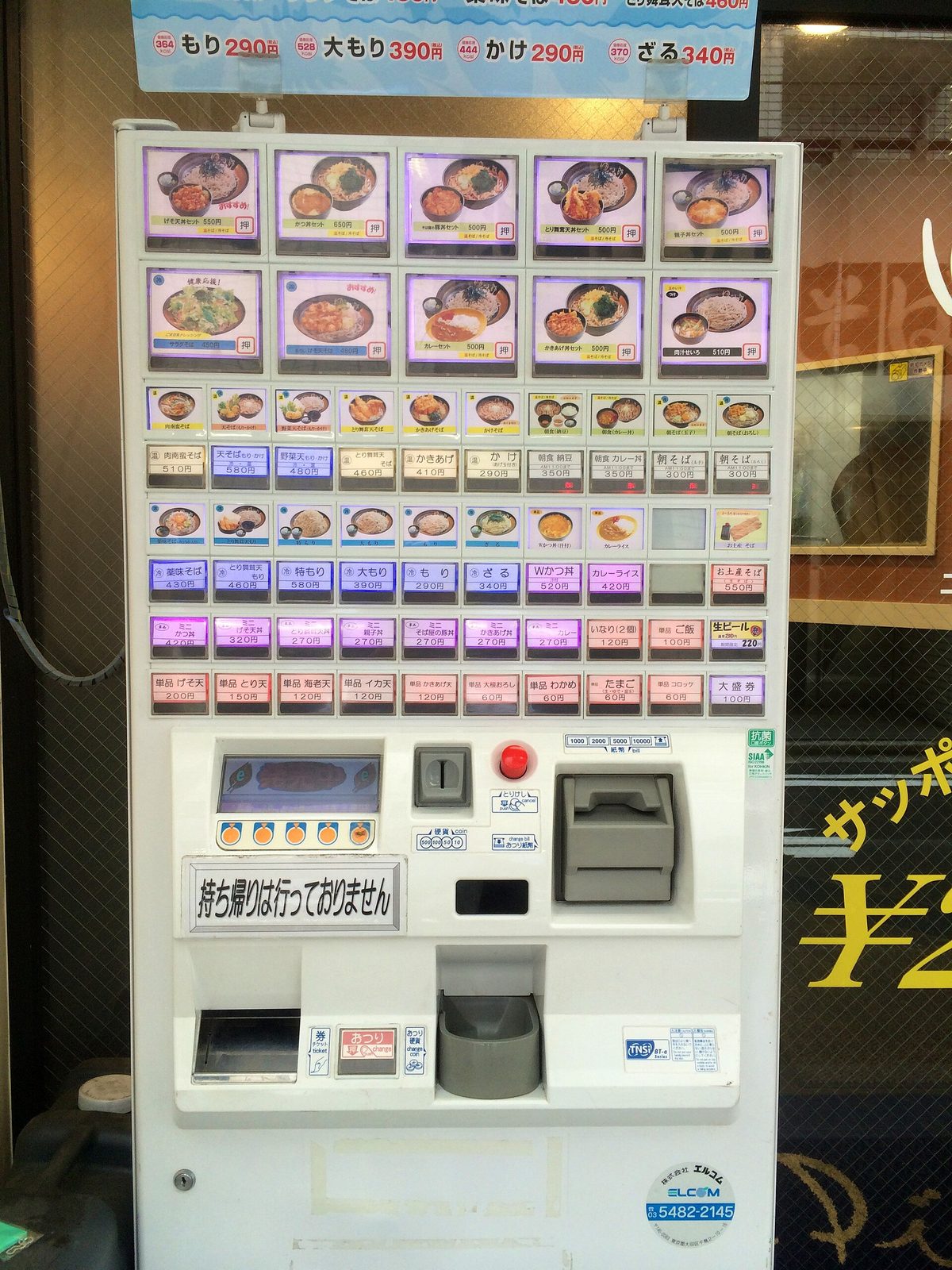
Japan's Consumer Hotline for Tourists explains that many ramen shops have a ticket machine near the entrance: you buy a ticket and hand it to the staff. It adds that many machines don't accept credit cards or electronic money, so it's a good idea to have cash ready. The official tourism site of Sapporo (Hokkaido) gives the same steps: buy the ticket before sitting down, then hand it to a staff member. Some shops have their own systems; Ichiran's English guide, for example, explains an order sheet where you circle your preferences.
The official tourism guide of Tokyo (Tokyo) also suggests not lingering too long after your meal, since others may be waiting.
To slurp or not to slurp?
In Japan, many people slurp their noodles with a bit of noise, and JNTO notes that this is not considered rude at all. But you don't have to. Eating quietly is completely fine, and nobody will mind. If slurping feels awkward or the soup is too hot, you can lift a few noodles onto the ramen spoon (renge) and eat from it. Enjoy it whichever way suits you.
My visit
Coming soon: notes from our editor's own ramen trips in Japan.
Allergies? Ramen soups often contain wheat, soy and other ingredients: see food allergies in Japan.
Last reviewed: October 4, 2026. Each shop has its own system.
References
- JNTO: Ramen guide
- JNTO: A guide to ramen in Japan
- Government of Japan: Highlighting Japan, November 2024 (PDF)
- Fukuoka City (Fukuoka) official tourism site: Gourmet (Japanese)
- Sapporo (Hokkaido) official tourism site: Ramen
- Kitakata City (Fukushima): Kitakata ramen (Japanese)
- Consumer Hotline for Tourists: Ticket vending machines (English)
- Sapporo (Hokkaido) official tourism site: How to order with a meal ticket
- GO TOKYO: A guide to eating ramen in Tokyo (Tokyo)
- Ichiran: How to order (English)