How Conveyor-Belt Sushi Works in Japan: Touch Panels, Plates, Green Tea and Paying
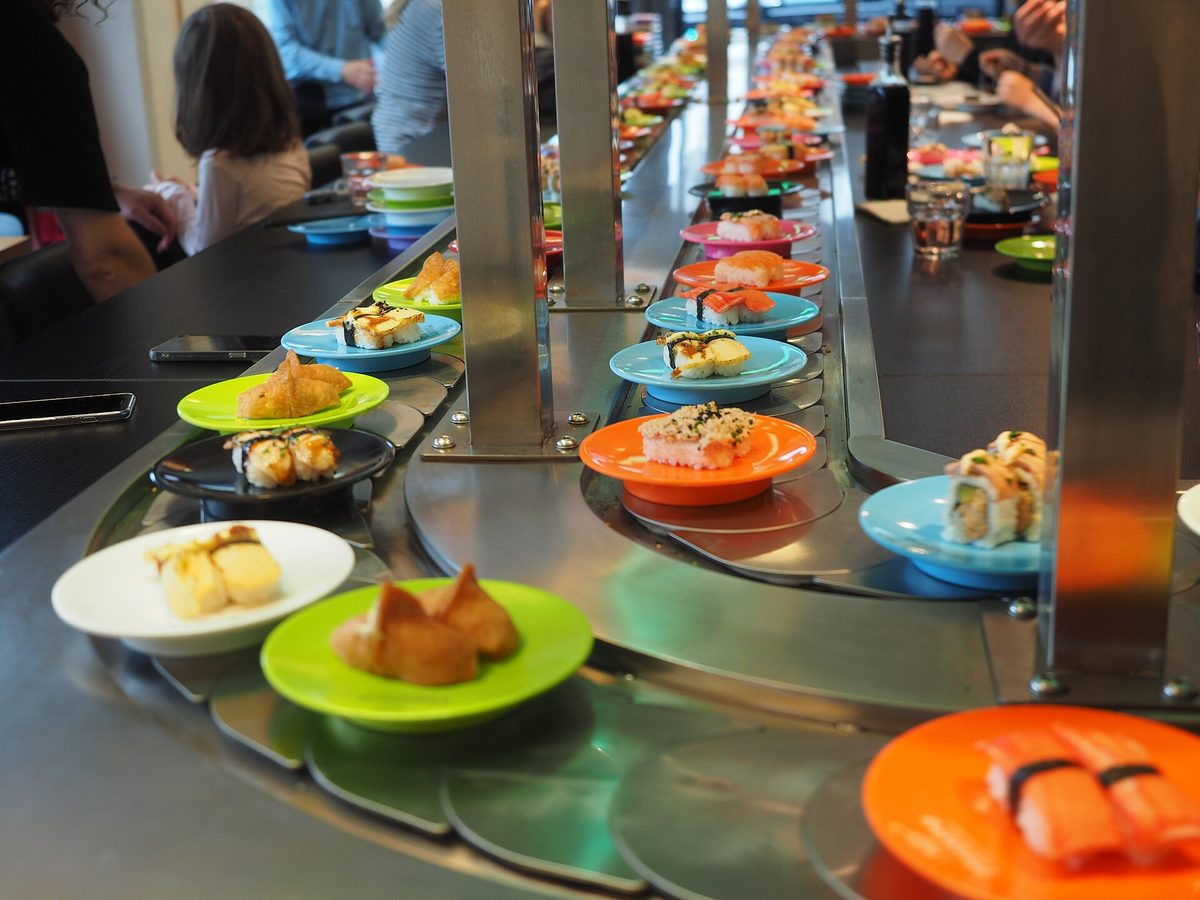
Conveyor-belt sushi (kaiten-zushi) is one of the most fun, affordable meals in Japan: plates glide past your table, you take what looks good, and you order anything else from a screen. Big chains have English menus and make it easy, but the first visit still raises questions. Which plates can I take? How do I make the tea? How do I pay? This guide walks through a visit, using the official guides of the chains themselves, and explains the one habit everyone should know.
This page may contain affiliate links. If you buy through them, we may earn a commission at no extra cost to you.
- From the door to the checkout, step by step
- Touch panels, the lane and the express lane
- Green tea powder, the hot water tap, soy sauce and ginger
- Why you never put a plate back
A visit, step by step
- Touch panels. Sushiro's English site says its touch panels are multilingual (English, simplified Chinese and Korean). Kura Sushi says orders made on a smartphone or touch panel arrive quickly on a separate order lane.
- Covers. At Kura Sushi, plates on the lane have covers that open when you press a button.
- Prices. Prices depend on the chain and the restaurant's location, and are often shown by plate color or on the screen. Sushiro's English site says plates start from 120 yen (tax included). Check the price chart at your table.
Green tea, soy sauce and ginger
Kura Sushi's guide says chopsticks, soy sauce, sweet sauce and powdered green tea are kept at the table. Put about a teaspoon of tea powder in a cup and press the cup firmly against the hot water tap. For soy sauce, tilt the bottle slightly, press the top, and put one or two drops directly on the sushi. Pickled ginger (gari) is there to refresh your palate between pieces.
The one habit: never put a plate back
Once you take a plate off the lane, it's yours, even if you change your mind. Putting it back, or touching food you don't take, means the next person might eat something that has been handled. In 2023, videos of people licking shared items and touching sushi on the lanes caused a public outcry in Japan; one chain filed a police report, replaced every cup and soy sauce bottle at the restaurant, and added acrylic screens between tables and lanes. You can read about this and similar cases in "Please don't": what made the news.
Paying
Kura Sushi uses a camera and AI to count your plates automatically, and you can pay at a self-checkout by scanning your table slip. It also has a game: put five empty plates in the slot at your table and a short game plays, sometimes with a small prize. Sushiro's English site says most credit cards and QR codes are accepted (it lists electronic money as not accepted). Payment options differ by chain, so check at the entrance.
My visit
Coming soon: notes from our editor's own meals in Japan.
Going to a sushi counter instead? Read why sushi counters ask you to skip perfume. Allergies? See food allergies in Japan.
Last reviewed: October 4, 2026. Systems and prices differ by chain and change often.