Japan's New Bicycle Fines: What Visitors Riding a Bike Should Know
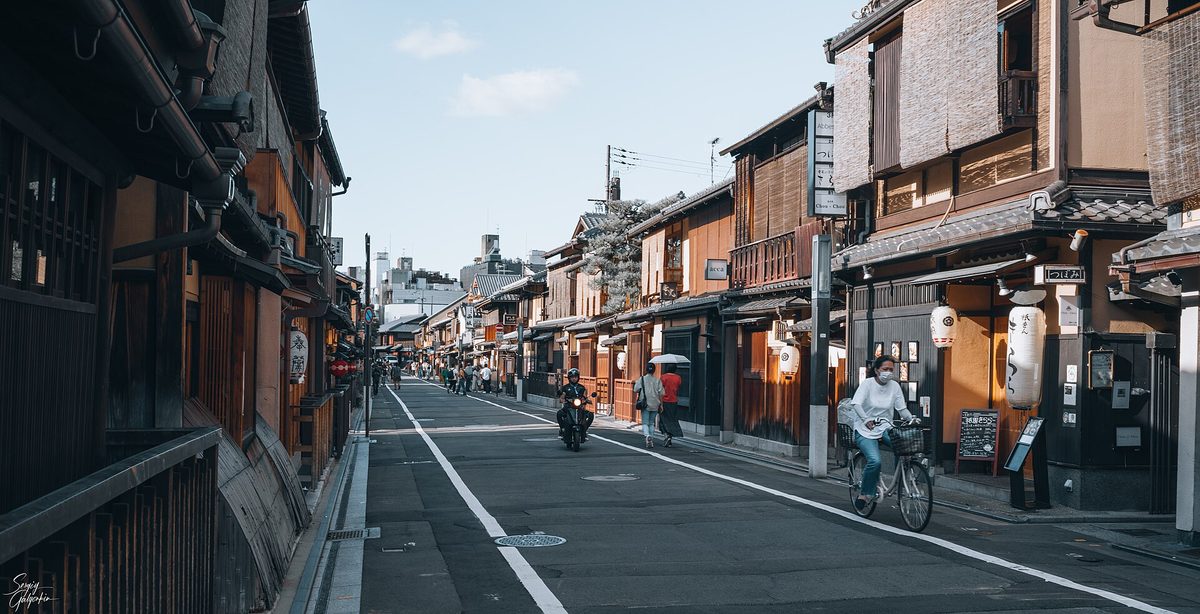
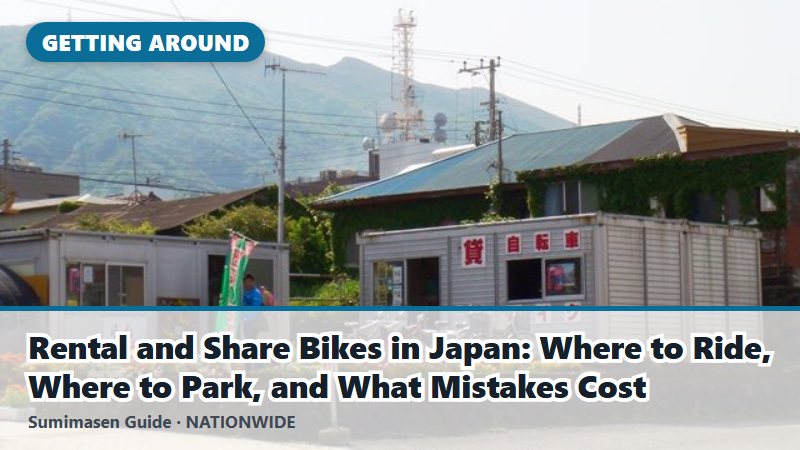
Renting a bike in Kyoto (Kyoto), riding a shared e-bike across Tokyo (Tokyo), pedaling between temples in Nara (Nara): it's one of the nicest ways to see Japan. Since April 1, 2026, it also comes with on-the-spot "blue tickets" and fixed fines for common traffic violations, just like cars. The rules themselves did not suddenly become stricter, but a mistake that used to end with a warning can now end with a 6,000 or 12,000 yen fine. This guide lists what the National Police Agency actually fines, what usually only gets a warning, and the few things that are treated as crimes, so you can ride relaxed instead of nervous.
This page may contain affiliate links. If you buy through them, we may earn a commission at no extra cost to you.
- Who the blue ticket applies to (hint: a driver's license doesn't matter)
- The fines for the most common mistakes, from 3,000 to 12,000 yen
- What happens if you are stopped, and how payment works
- The fake "bike police" scam you should know about
Please read this first. This is a plain-English guide, not legal advice. It is based on the National Police Agency's rulebook (September 2025 edition) and prefectural police pages. Rules and amounts can change. Please check the official pages at the end before you ride.
What changed on April 1, 2026
Japan's Road Traffic Act treats a bicycle as a vehicle. Until March 2026, when police caught a cyclist for a violation, the case went through criminal procedures (a "red ticket"), which were slow and often ended without a penalty. From April 1, 2026, people aged 16 and over who commit certain set violations on a bicycle receive a blue ticket and are asked to pay a fixed fine (反則金, hansokukin). Saitama Prefectural Police state plainly that having a driver's license or not makes no difference. The Tokyo Metropolitan Government counts 113 kinds of violations covered by the blue ticket.
What did not change, according to the National Police Agency (NPA): officers still start with guidance and a warning. They issue tickets for violations that are dangerous or cause trouble for pedestrians and other vehicles, or when someone ignores a warning and keeps going.
The fines for common mistakes
A few of these need a short explanation, because they surprise visitors most:
- Phone in hand: holding a phone to talk, or holding it and looking at the screen while riding, is 12,000 yen, the highest bicycle fine. The Tokyo Metropolitan Police Department notes that using it while stopped is not covered. A handlebar mount for map navigation is the simple fix.
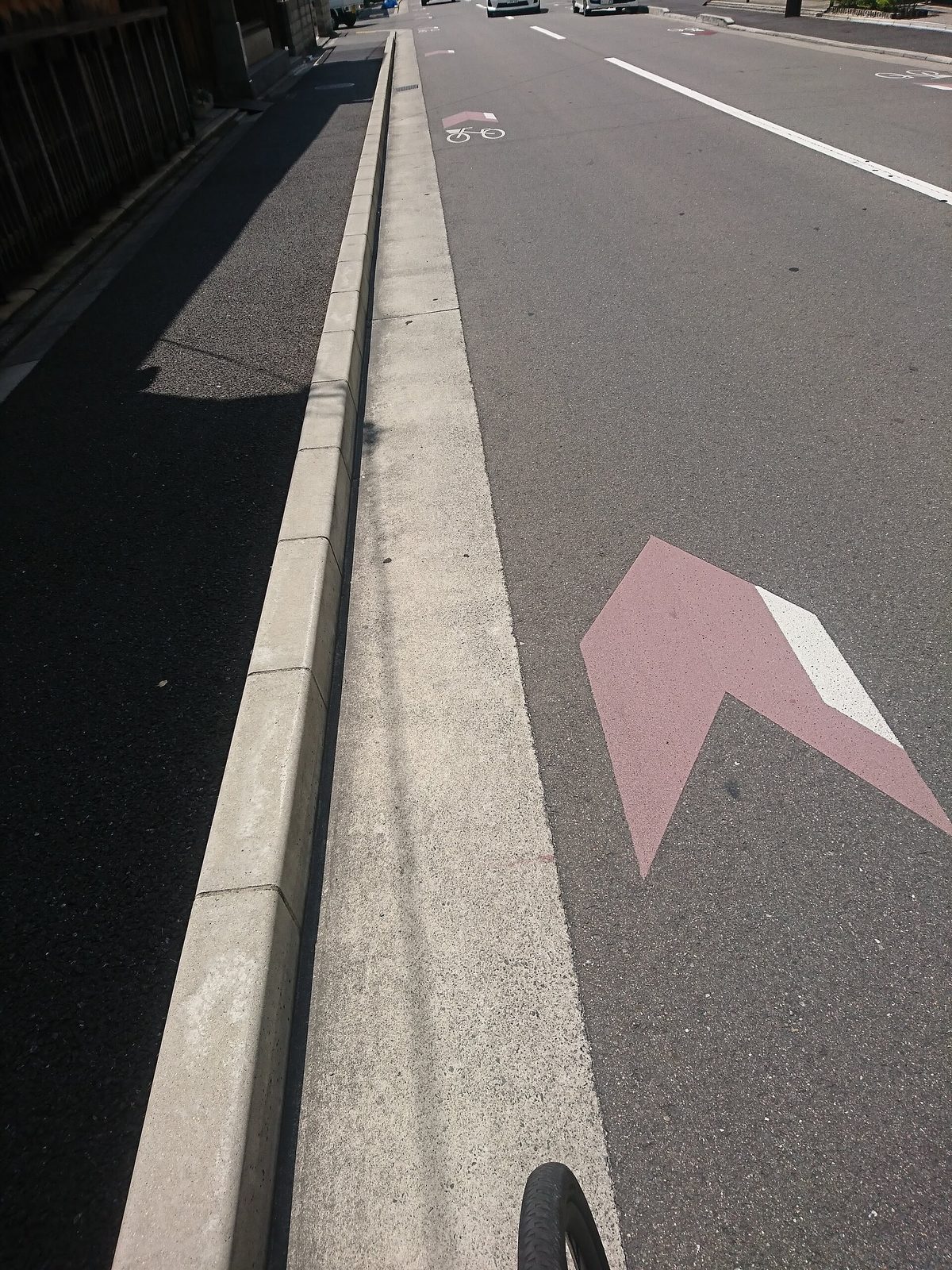
- Riding on the right: bikes must keep to the left side of the road. Riding on the right is "wrong-way" riding, 6,000 yen.
- Sidewalks: the rule is "road first, sidewalk is the exception." You may ride on the sidewalk where a sign allows it, if you are under 13 or 70 and over, or when the road is genuinely unsafe (road works, heavy traffic, a narrow lane). Even then you must go slowly on the road side of the sidewalk and stop for pedestrians. The NPA says simply riding on a sidewalk is normally dealt with by a warning; speeding along it and making pedestrians stop is what gets ticketed.
- Earphones: the NPA says one earbud, or open-ear and bone-conduction types, are not a violation as long as you can still hear the sounds needed to ride safely.
- Helmets: wearing one is something riders "should make an effort" to do. Not wearing one is not fined.
Not a ticket, but a crime: drinking and riding
Some violations are too serious for a blue ticket and go straight to criminal procedures. The one most likely to affect visitors is drinking. In Japan you may not ride a bicycle after drinking alcohol, whatever the amount. According to the NPA:
| Violation | Maximum penalty |
|---|---|
| Riding drunk (unable to ride normally because of alcohol) | Up to 5 years' imprisonment or a fine of up to 1,000,000 yen |
| Riding with alcohol in your body (0.15 mg/L or more in breath) | Up to 3 years' imprisonment or a fine of up to 500,000 yen |
| Using a phone and actually causing danger (e.g., forcing a pedestrian to stop) | Up to 1 year's imprisonment or a fine of up to 300,000 yen |
Lending your bike to someone who has been drinking, or riding as their passenger, can also be punished. After a dinner with sake, walk the bike back or take a taxi.
If an officer stops you
- For a blue-ticket violation, the officer gives you the blue ticket and a payment slip.
- If you accept the violation, take the slip to a bank or post office counter and pay, in principle within 7 days from the day after you were stopped. Paying ends the matter: no court, and no criminal record.
- If you don't pay by then, you are asked to go to a traffic violation notification center on the date on the ticket; if you then pay within 10 days, the case also ends there. If you never pay, the case moves to criminal procedures.
- If you believe you did nothing wrong, you can dispute it by not paying. The case then goes through criminal procedures.
If you are leaving Japan soon, tell the officer your departure date and ask how to pay before you fly. Keep the ticket and slip together with your passport.
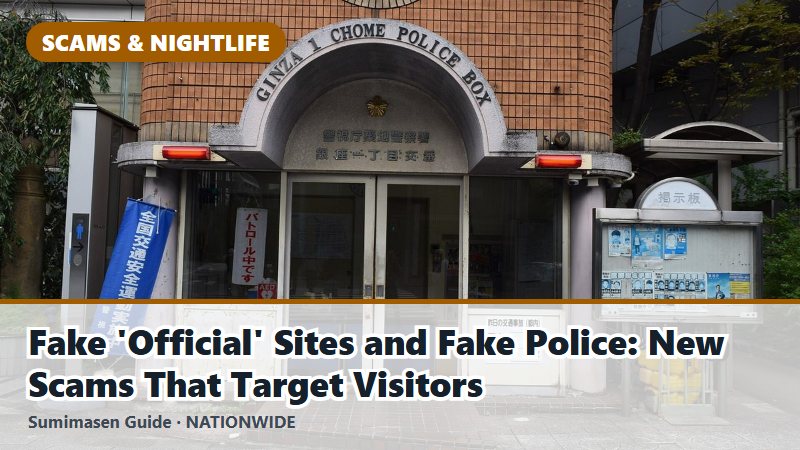
Watch out for fake "bike police." Saitama Prefectural Police warn that people pretending to be officers have demanded money from cyclists on the spot, using the new blue-ticket system as an excuse. Real police officers never collect a fine at the scene; you pay at a bank or post office with the slip. If someone asks you for cash, don't pay, and call 110. More examples in our guide to scams that pretend to be official.
Before you rent: a two-minute check
- Test the brakes and the light before you leave the rental shop (no brakes or no light at night are both 5,000 yen).
- Mount your phone, or stop at the side of the road to check the map.
- Keep left. Stop fully at red lights and at stop signs (止まれ, tomare).
- On sidewalks, ride slowly and let pedestrians go first.
- No riding after drinking. Not even one beer.
Ride on the left, stop at the red, keep your phone in its mount, and Japan's bike paths are some of the friendliest in the world. Enjoy the ride.
Last reviewed: October 4, 2026. Fine amounts are set by law and can change. Please confirm the latest information on the official pages below.
References
- National Police Agency: Bicycle rulebook — introduction of the blue ticket (Japanese, PDF, September 2025)
- National Police Agency bicycle portal: The new system (Japanese)
- Tokyo Metropolitan Government: The blue-ticket system has started (Japanese)
- Tokyo Metropolitan Police Department: Blue tickets for bicycles (Japanese)
- Saitama Prefectural Police: Blue tickets for bicycles, and warning about fake-fine scams (Japanese; English leaflet linked on the page)